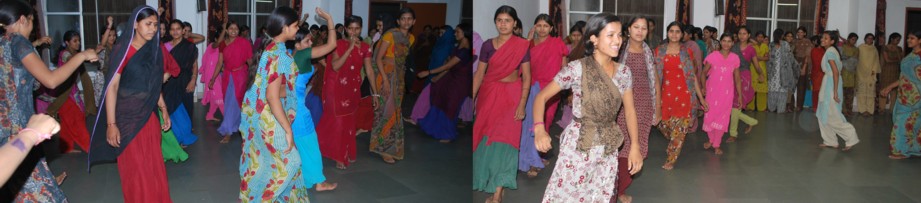
25 Years of Achievements at the Barli Development Institute for Rural Women
June 1, 2010 marks the completion of 25 years of dedicated service rendered by the Barli Development Institute for Rural Women to the empowerment of rural and tribal women. Over the past 25 years the Institute has organically grown residential training Institute. The focus of the Institute has always been to empower young tribal women by training them as human resources to become agents of social change to help initiate and contribute to the process of sustainable community development. The Institute has successfully trained more than 5000 women from 500 villages from all over India. To date women from Dhar , Jhabua , Alirajpur, Dewas, Khargone, Badwani, Harda, Khandwa, Burhanpur, Bhopal in Madhya Pradesh, also women from Bihar, Orissa , Andhra Pradesh, Maharashtra, Rajasthan, Uttar Pradesh, Sikkim, Tripura and Manipur have received their training here
Brief History of the Institute
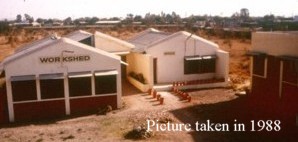 The Institute was established in
1985 by the National Spiritual Assembly of Baha’is of India under the
name of the Baha’i Vocational Institute for rural Women
to take part in the worldwide effort of Bahá’ís to create projects that
transform society through the application of spiritual principles. In
2001, the Institute attained autonomous status. With this independence,
the Institute also acquired its own Board of Directors and changed its
name to the Barli Development Institute for Rural Women. “Barli” is a
very common name among tribal women in the districts such as Alirajpur,
Jhabua where many of the trainees come from. It denotes the central
pillar which supports the tribal house typical in these areas. This name
highlights the belief of the Institute that women are the central
pillars of the society. It is a Baha’i inspired NGO and always strives
to apply the spiritual principles in its functioning and programmes.
The Institute was established in
1985 by the National Spiritual Assembly of Baha’is of India under the
name of the Baha’i Vocational Institute for rural Women
to take part in the worldwide effort of Bahá’ís to create projects that
transform society through the application of spiritual principles. In
2001, the Institute attained autonomous status. With this independence,
the Institute also acquired its own Board of Directors and changed its
name to the Barli Development Institute for Rural Women. “Barli” is a
very common name among tribal women in the districts such as Alirajpur,
Jhabua where many of the trainees come from. It denotes the central
pillar which supports the tribal house typical in these areas. This name
highlights the belief of the Institute that women are the central
pillars of the society. It is a Baha’i inspired NGO and always strives
to apply the spiritual principles in its functioning and programmes.
Located on six acres of land belonging to the National Spiritual
Assembly of the Baha’is of India, the Institute has grown from
scratch to
a well equipped training facility. The campus now has a multipurpose
hall, classrooms, a library, an indigenous learning and documentation
centre with an office, dormitories for accommodating 100 women, a
specially designed and functioning and the first Solar Kitchen in
Central India. It has the world’s first solar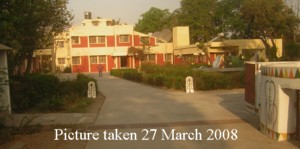 Storage cooker working continuously for last 10 years, 3 large solar
Community parabolic cookers, a dining hall. It also has the Director and
Manager's residence, staff quarters, volunteer accommodations and open
areas for socializing and games. Surrounded by a compound wall the
campus is considered an oasis of green in the dusty and noisy concrete
city of Indore with hundreds of trees including Ashoka, Eucalyptus,
Rosewood, Sandalwood, Karanj, Amaltas, flowering trees, many fruit trees
and bushes. Not only it provides an enabling environment and home to all
the trainees and staff, it is also a home to many peacocks, cuckoos,
parrots, squirrels the kittens, many birds and other wildlife...
Storage cooker working continuously for last 10 years, 3 large solar
Community parabolic cookers, a dining hall. It also has the Director and
Manager's residence, staff quarters, volunteer accommodations and open
areas for socializing and games. Surrounded by a compound wall the
campus is considered an oasis of green in the dusty and noisy concrete
city of Indore with hundreds of trees including Ashoka, Eucalyptus,
Rosewood, Sandalwood, Karanj, Amaltas, flowering trees, many fruit trees
and bushes. Not only it provides an enabling environment and home to all
the trainees and staff, it is also a home to many peacocks, cuckoos,
parrots, squirrels the kittens, many birds and other wildlife...
Holistic Training and Curriculum
The first training activities after the 19 days of Institute’s establishment, lasted for 9-10 days at a time, demonstrating simple income-generating skills such as candle making, chalk making soap making and weaving Jute mats etc. The training also used to touch upon important social issues like the importance of education for women, unity, prayer and gender equality. Over the years the courses grew to become 3 month residential programmes for the training of Community Volunteers, who are illiterate or semi illiterate and later on to include extra training for Grassroots Trainers, who are school drop outs that act as peer mentors. Currently, the duration of Community Volunteers programme has increased to 6 months and the Grassroots Trainers to 1 year. All these courses are free of cost.
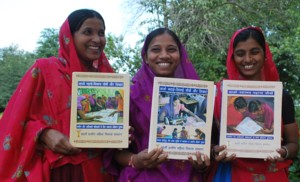 The
institute’s curriculum has been developed on the basis of 24 years of
experience and then further modified to cater to the needs and culture
of tribal rural women. As a result of this, the current programme has
grown to systematically building their
capacity in the areas of literacy, vocational skills, health and
hygiene, the environment and personal & community development. One major
accomplishment has been the developing and publishing of Barli’s
curriculum books .Many other organisations in India as well as abroad
are using these books. These include:
English, Hindi and Marathi versions of its Health and Hygiene, Cutting
and Tailoring book in Hindi and a book for training in Hindi Literacy A
batik printing training manual and a book of tribal
folk songs in development written by the trainees will also be published
within this year.
The
institute’s curriculum has been developed on the basis of 24 years of
experience and then further modified to cater to the needs and culture
of tribal rural women. As a result of this, the current programme has
grown to systematically building their
capacity in the areas of literacy, vocational skills, health and
hygiene, the environment and personal & community development. One major
accomplishment has been the developing and publishing of Barli’s
curriculum books .Many other organisations in India as well as abroad
are using these books. These include:
English, Hindi and Marathi versions of its Health and Hygiene, Cutting
and Tailoring book in Hindi and a book for training in Hindi Literacy A
batik printing training manual and a book of tribal
folk songs in development written by the trainees will also be published
within this year.
Developing and Applying Environment Friendly Technologies and Practices
 Numerous
environmental advances have been made at the Institute, with a strong
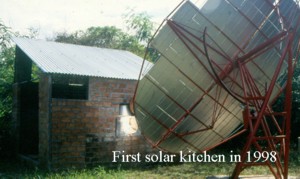
solar energy component. In 1998, the first purposely-designed solar
kitchen in central India was installed at the Institute. This kitchen
has 3 large Parabolic Scheffler cookers as well the SK-14 cookers. Since
then the Institute has been continually manufacturing and transferring
new solar food processing devices that are suitable for rural
communities. Some of these include solar food dryers, water distillers
and a solar oven. The Institute has also helped build many solar
community kitchens for other institutions in India and over 400 personal
solar cookers have been transferred to self-help groups and graduates of
the Institute. The Institute also maintains a 3 acre organic garden that
supplies all of the food for the staff and trainees and this garden is
irrigated with recycled and rainwater harvested water. A strong
“zero-waste” policy is enforced at the Institute which includes reusing
many garbage-destined items such as scrap material from the cutting and
tailoring class and batters for paper weights, the fallen hair from the
trainees for batik brushes, and many more. All of these environmental
initiatives have attracted many professionals as well as school groups
to the Institute as an environmental learning facility.
Numerous
environmental advances have been made at the Institute, with a strong
solar energy component. In 1998, the first purposely-designed solar
kitchen in central India was installed at the Institute. This kitchen
has 3 large Parabolic Scheffler cookers as well the SK-14 cookers. Since
then the Institute has been continually manufacturing and transferring
new solar food processing devices that are suitable for rural
communities. Some of these include solar food dryers, water distillers
and a solar oven. The Institute has also helped build many solar
community kitchens for other institutions in India and over 400 personal
solar cookers have been transferred to self-help groups and graduates of
the Institute. The Institute also maintains a 3 acre organic garden that
supplies all of the food for the staff and trainees and this garden is
irrigated with recycled and rainwater harvested water. A strong
“zero-waste” policy is enforced at the Institute which includes reusing
many garbage-destined items such as scrap material from the cutting and
tailoring class and batters for paper weights, the fallen hair from the
trainees for batik brushes, and many more. All of these environmental
initiatives have attracted many professionals as well as school groups
to the Institute as an environmental learning facility.
Extension Centers
 In
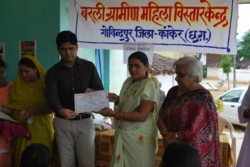
2004 and 2005 Barli opened
three
extension centres in rural areas so that the women in the communities
that could not leave home for residential training due to
responsibilities from home could still receive an education.
Originally, three centres were located in the rural areas outside of
Indore. Yet, it was learned that it would be more useful and effective
for the centres to be need-based, mobile facilities.
Currently, extension centres are functioning in Kanker district of
Chhattisgarh and follow a
compressed, 3-month version of the curriculum and training style used at
Barli. The curriculum used includes Health Training with extra emphasis
on HIV/AIDS awareness, Cutting and Tailoring, Word Processing, Literacy,
and Personal and Community Development. With these extension centres the
Barli curriculum reaches 400 women a year
In
2004 and 2005 Barli opened
three
extension centres in rural areas so that the women in the communities
that could not leave home for residential training due to
responsibilities from home could still receive an education.
Originally, three centres were located in the rural areas outside of
Indore. Yet, it was learned that it would be more useful and effective
for the centres to be need-based, mobile facilities.
Currently, extension centres are functioning in Kanker district of
Chhattisgarh and follow a
compressed, 3-month version of the curriculum and training style used at
Barli. The curriculum used includes Health Training with extra emphasis
on HIV/AIDS awareness, Cutting and Tailoring, Word Processing, Literacy,
and Personal and Community Development. With these extension centres the
Barli curriculum reaches 400 women a year
Follow-up through “Barli Ki Duniya”
 In
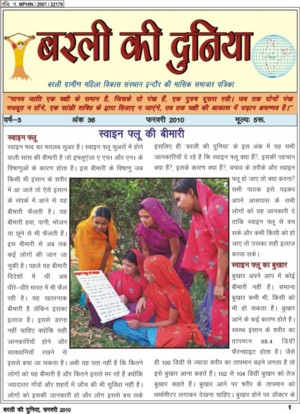
order to prevent the graduates of Barli falling back to illiteracy after
the training, the Institute has been publishing and circulating a
monthly newsletter since 1993, when it was previously named Kokila, and
later renamed as Barli Ki Duniya. The newsletter provides information on
subjects related to their development, general news, environmentalism,
health concerns and explanations, social issues, legal dilemmas,
information from reports, research and policies coming from the
government, gender issues and many more. The graduates share this
newsletter with their friends and family spreading this knowledge to
thousands of people in villages that are deprived of information. It
also available online for the Hindi readers world-wide.
In
order to prevent the graduates of Barli falling back to illiteracy after
the training, the Institute has been publishing and circulating a
monthly newsletter since 1993, when it was previously named Kokila, and
later renamed as Barli Ki Duniya. The newsletter provides information on
subjects related to their development, general news, environmentalism,
health concerns and explanations, social issues, legal dilemmas,
information from reports, research and policies coming from the
government, gender issues and many more. The graduates share this
newsletter with their friends and family spreading this knowledge to
thousands of people in villages that are deprived of information. It
also available online for the Hindi readers world-wide.
Community Empowerment
AAfter
their training at the Institute all of the trainees are encouraged to
take up community development activities. Many of these activities are
organized by the local Mahila Mandals (women’s committees) set up by
other Barli graduates. Some examples of the work these committees have
done are: water-shed management, reforestation, health education,
encouraging vocational training, and promoting literacy training and
education for all children
Role Models
Many of the graduates from Barli have become role models within society. When they first came to Barli they were either primary school-drop outs or illiterate. After 6 months of training they were motivated and encouraged to go for higher studies. As well, out of the 29 staff members at the Institute 18 are previous graduates of Barli and 25 are tribal. The following are examples of a few of the graduates from Barli:
Lata Yadav
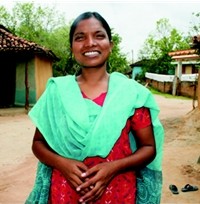 She
first attended the Institute’s Grassroots Trainer program in 2000 at the
age of 16. After her training she began building her confidence and
leadership working as a trainer teaching at the Institute. She
reappeared in her 10th standard exam and passed this time and started
studying for appearing in the 12th class exam. When she returned home to
Chhattisgarh she began her bachelor’s degree studies at Indira Gandhi
National Open University (IGNOU). May, 2006, Lata helped establish the
first extension centre in her home village Bewarti, in Chhattisgarh. She
has been the main Coordinator for Barli’s
3 extension centres for about four years.
She
first attended the Institute’s Grassroots Trainer program in 2000 at the
age of 16. After her training she began building her confidence and
leadership working as a trainer teaching at the Institute. She
reappeared in her 10th standard exam and passed this time and started
studying for appearing in the 12th class exam. When she returned home to
Chhattisgarh she began her bachelor’s degree studies at Indira Gandhi
National Open University (IGNOU). May, 2006, Lata helped establish the
first extension centre in her home village Bewarti, in Chhattisgarh. She
has been the main Coordinator for Barli’s
3 extension centres for about four years.
Dhedi Dawar
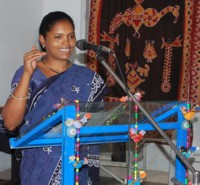 Dhedi
came from a tribal village called Ojhad in a remote area of Jhabua
District. After the 5th standard she was forced to drop out of school
because her father thought that she had more than enough education for a
girl. After hearing from a distant relative about the training at Barli
she convinced her father to let her go. Dhedi flourished at the
Institute and after her training she was offered a job at the Institute
as a trainer in 1991 when she needed work as well to stay away from home
due to personal circumstances. She passed the 10th class exam, the NIOS
vocational exam in Hindi typing and cutting and tailoring, she learned
computer and has gained lot of experience and skills. Now she is happily
married and the mother of two children and has been promoted to a
program officer at the Barli Institute
Dhedi
came from a tribal village called Ojhad in a remote area of Jhabua
District. After the 5th standard she was forced to drop out of school
because her father thought that she had more than enough education for a
girl. After hearing from a distant relative about the training at Barli
she convinced her father to let her go. Dhedi flourished at the
Institute and after her training she was offered a job at the Institute
as a trainer in 1991 when she needed work as well to stay away from home
due to personal circumstances. She passed the 10th class exam, the NIOS
vocational exam in Hindi typing and cutting and tailoring, she learned
computer and has gained lot of experience and skills. Now she is happily
married and the mother of two children and has been promoted to a
program officer at the Barli Institute
Awards and Recognitions
· 1990, two graduates of the Institute won first prize in a literacy-learning song contest in Delhi, which was sponsored by UNESCO and the International Task Force of Literacy
· 1990, the literacy methodology used at the Institute was adopted by the University of Leicester, U.K.
· 1992, UNEP conferred the Institute with the Global 500 Roll of Honour for outstanding environmental achievements due to its work in helping to eradicate Guinea Worms by working in 302 villages of Jhabua district
· 1994, included in UNESCO's INNOV database as one of the 81 successful basic education projects in developing countries
· In 2000, UNICEF recognized the example of parent involvement by the Institute as a key strategy for "Empowerment through good practices" in an insert: Action for Girls, Vol. 1. No. 2
· 2006, the Institute was selected as an Alternative Model for Development of Children and Empowerment of Women in M.P. by the National Institute of Public Cooperation and Child Development(NIPCCD)
· 2008, Barli Institute was honoured with SEWA RATAN SAMMAN (Jewels of Service) for Commendable service to society constituted by Harmony Foundation Indore, presented by Mr. Oscar Fernandes, Union Minister of Labour, Government of India
· 2009, Paryavaran Mitra Puraskar (Environment Friend Award 2008) awarded by Centre for Environment. Protection Research and Development, Indore was presented by Mrs. Tara Bhattacharya, Gandhian thinker and writer.
The Institute, Director and Manager have been recognised for its programmes and achievements in a number of ways. Due to the excellent advancements the Institute has made over the years in the fields of social work and the environment, the Director and Manager have been invited to present the Barli model at many conferences, events, seminars and workshops. This has helped the Institute to keep a close relationship with other institutions at local, national and International levels as well as spread the knowledge and teachings used at Barli. Following are some of the important awards and honours:"
· 2001, the director received the Dharam Bharti National Award for outstanding service to empower women
· 2005, the director received the National Mahila Samaj Sewi Samman (Social Service Honour) from Rashtra Bhasha Prachar Samiti by Governor of Madhya Pradesh
· 2008, the Manager of the Institute was conferred with OBE (Order of British Empire) by Her Majesty, Queen Elizabeth II at Windsor Castle, UK for his services to social causes and the use of alternative energy in rural communities in India.
· 2008, the director received the Rajmata Vijaraje Sindhia Social Service Award conferred by Madhya Pradesh Government for year 2007 for dedicated services in the field of upliftment of tribal women
· The Director is on many important Committees of Government, NGO’s and Professional Institutions
Over 25 years the Institute has grown and involved in many diverse areas and will continue to do so for years to come!